The Big Final
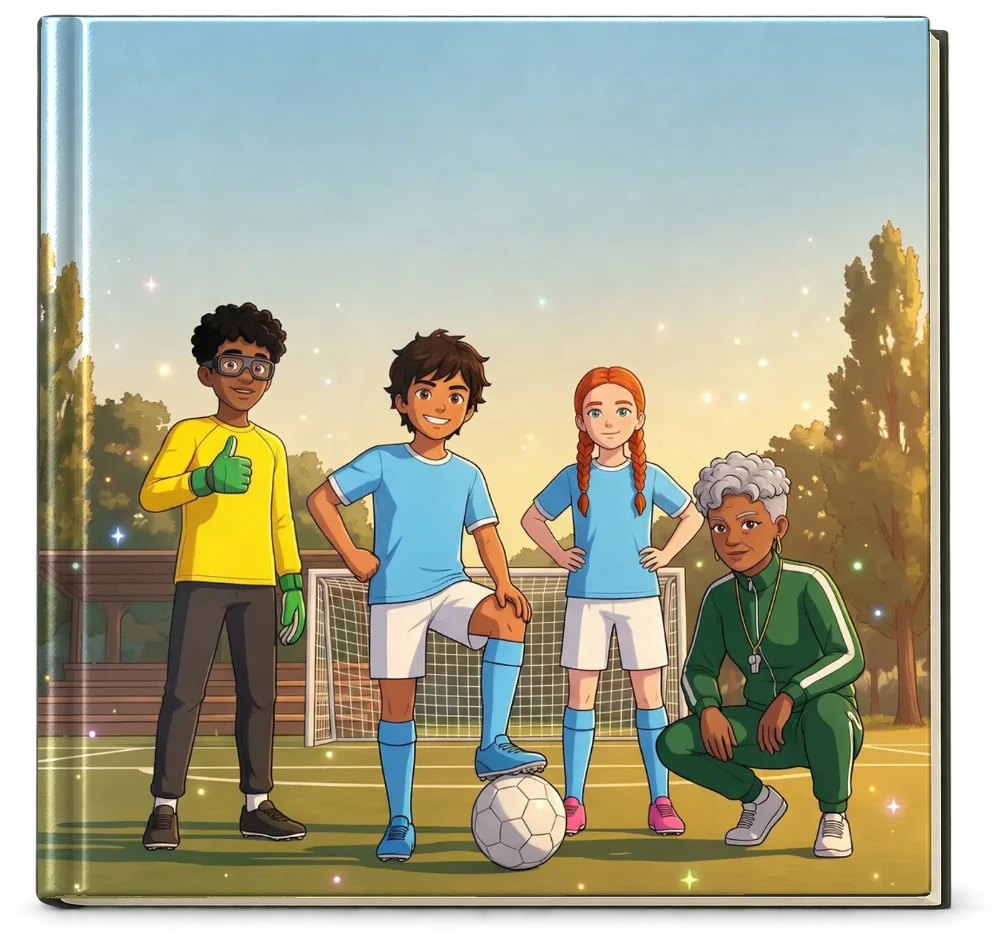
from €37.90 incl. VAT + €6.90 shipping · free from 2 books
30 pages, 20 x 20 cm, your child drawn from your photo on every illustrated page.
Hardcover €47.90 · Softcover €37.90
Your child is the first hero, and up to 3 more: brother or sister, mum or dad, grandparent, another grown-up. €8.00 per extra hero
Personalise this book1 day: we create and check your book · 2–5 days: printing · 3–6 days: delivery
Every book is checked page by page before it's printed.
One mistake in the cup final, and a team that plays on together: a football story about getting back in the game.
What's inside
- 30 pages, 4 of them colouring pages to fill in
- 20 × 20 cm hardcover (softcover too)
- Thick silk paper (170 g)
- A page for grown-ups: tips and questions to talk about
- Your child drawn from your photo on every illustrated page
What makes it different
- Drawn from your photo on every illustrated page, not a cartoon with a name pasted in
- In a Greek book, the name takes its right form in every sentence (του Γιώργου, τον Γιώργο)
- Every book is checked page by page before it's printed
Watch the title change here and on every book on the site. It stays in this browser tab only.
Helps with
Mistakes
Mistakes under pressure: getting it wrong in front of everyone, getting back into the game, and standing by your team when things go wrong.
The tool your child practises in the story
Breathe. Look up. Next ball.
Practise the three steps when nothing much is at stake: one slow breath all the way down, then look up and find someone on your side (a teammate, a parent, a friend), then say "next ball" and do the very next small thing. Use it for a dropped plate, a wrong answer in homework or a lost board game, and use it on yourself out loud, so your child sees that you reset too.
For grown-ups
What this story is about
At this age mistakes feel enormous, especially in front of friends, a team and a crowd. In this story your child makes a real mistake at the worst moment of a cup final, feels the hot shame of it, and finds a way back through a short reset the coach taught and through teammates who stick together. The team does not win, and that is the point: what makes the day a good one is how they play after the mistake, and how your child then helps a friend through his.
Three ways to talk about it
- Share a mistake of your own: how it felt and what you did next. Children of this age learn more from watching you recover than from watching you succeed.
- Praise the next move, not the result. "I loved how you got straight back into it" lands better than "You were the best one out there".
- Keep the ride home calm. Let your child bring up the hard moment first, and when they do, listen before you coach.
Three questions to ask
- How did the child in the story feel straight after the bad pass? Have you ever felt like that?
- Lila shouted, and later said sorry. Why do you think she changed her mind?
- Why do you think Coach Nell was prouder of the team than she would have been if they had simply won?
Practise the tool together: Breathe. Look up. Next ball.
Practise the three steps when nothing much is at stake: one slow breath all the way down, then look up and find someone on your side (a teammate, a parent, a friend), then say "next ball" and do the very next small thing. Use it for a dropped plate, a wrong answer in homework or a lost board game, and use it on yourself out loud, so your child sees that you reset too.
If mistakes often lead to long meltdowns, harsh self-talk ("I ruin everything", "I'm no good at anything"), refusing to play or to go to school, or worries that affect sleep and appetite, talk to your paediatrician or a child psychologist.
Look inside
Twelve illustrated spreads: the picture on the left, the story on the right. These sample pages show an invented child called Mateo.
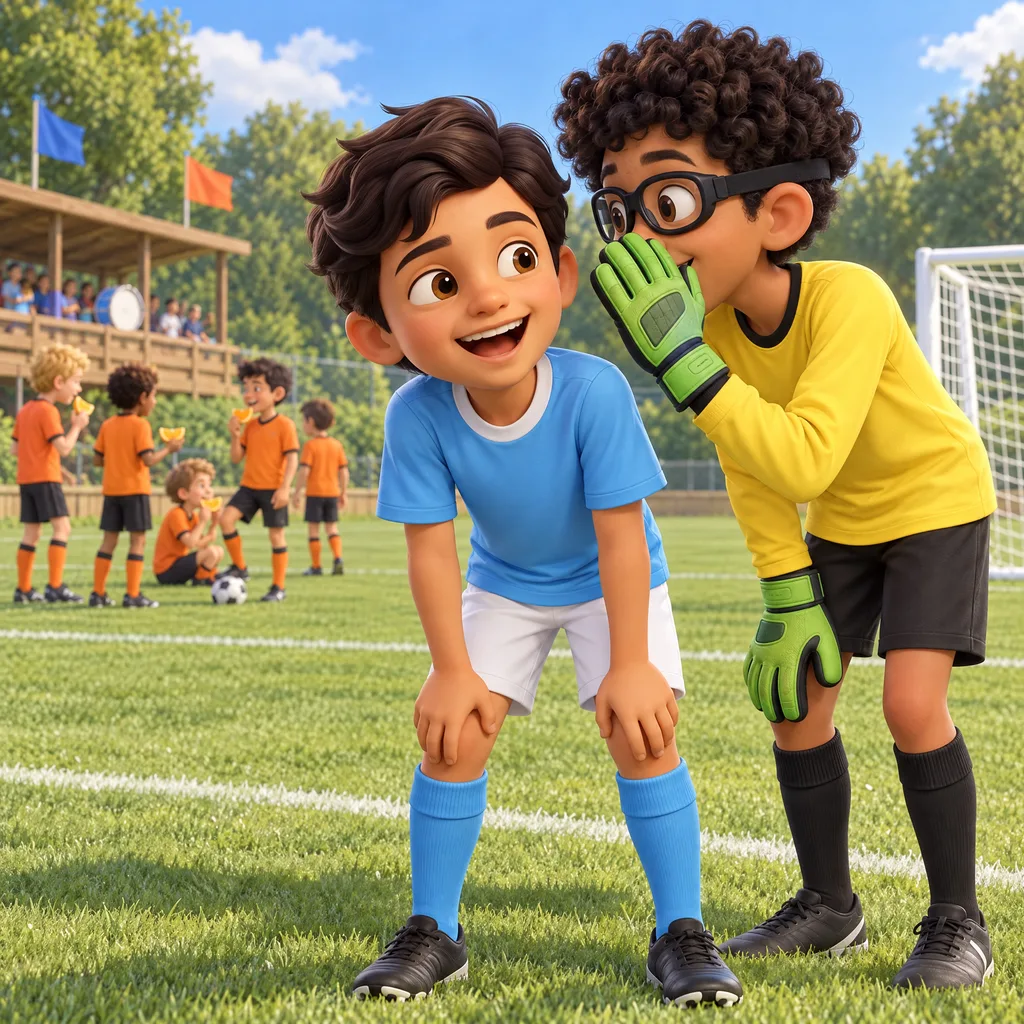
On Saturday the park was louder than anyone could remember: flags, a drum, a whole stand full of people. Across the pitch the Thunderbolts were warming up in bright orange, and every single one of them looked about fourteen. "They're eating oranges," whispered Sami. "An orange team, eating oranges. That's just showing off." A laugh came out before it could be stopped, and the knot inside loosened a little. Coach Nell gathered the Kites in a circle. "I'm not making a speech," she said. "Pass. Talk. Help each other. And if something goes wrong?" "Next ball!" the whole team shouted, so loudly that a pigeon took off. Then the referee lifted the whistle.
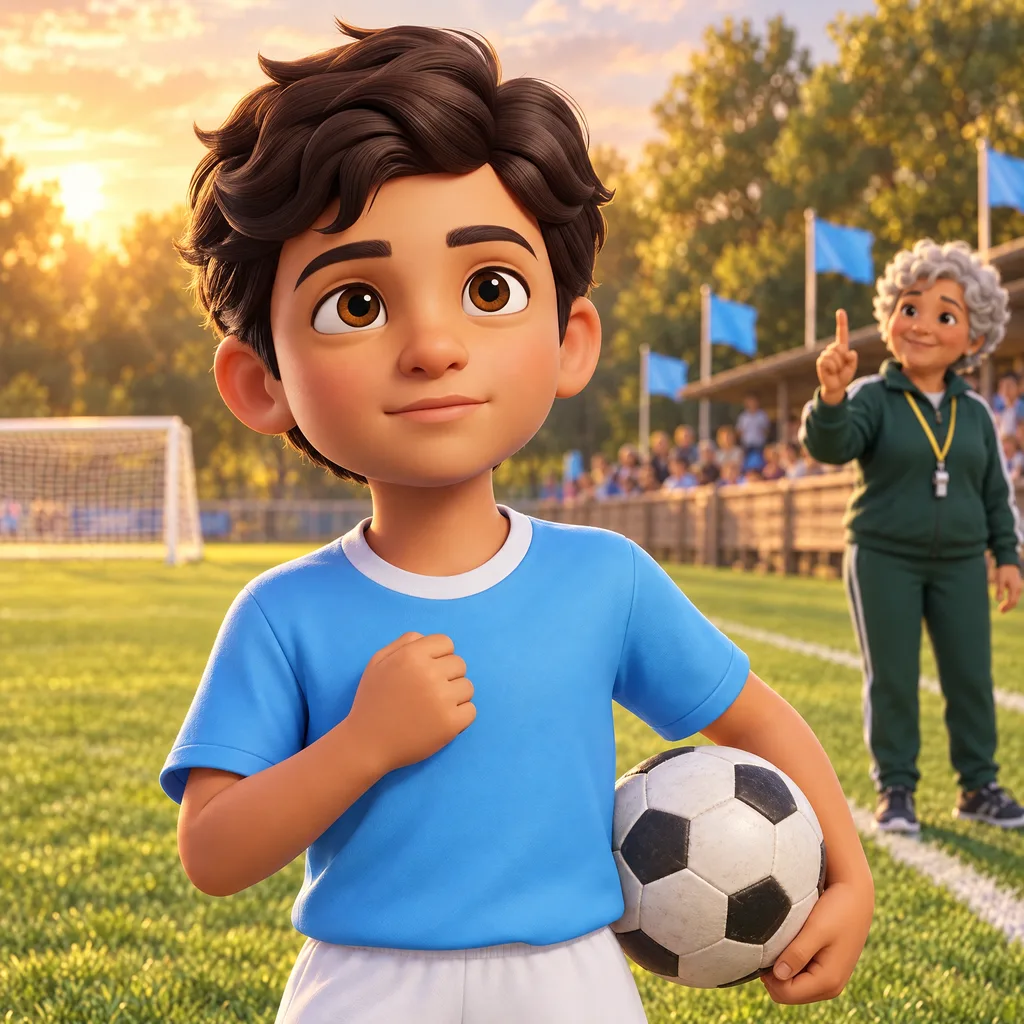
So Mateo breathed. One long breath, all the way down to the boots. Then looked up. There was Sami, back in his goal, pointing both gloves this way. There was Coach Nell on the touchline, holding up one finger: one breath, one ball. There was Lila, already in position, not angry any more, just ready. And there was the tall defender, still stuck to Lila. Wherever Lila went, her shadow went too. Which meant that if Lila ran left, the middle would be empty. Completely empty. Then, out loud: "Next ball."
Spread 1 of 2
Inside the book
Twelve illustrated spreads: the picture on the left, the story on the right. This sample uses an invented family to show the illustration style.
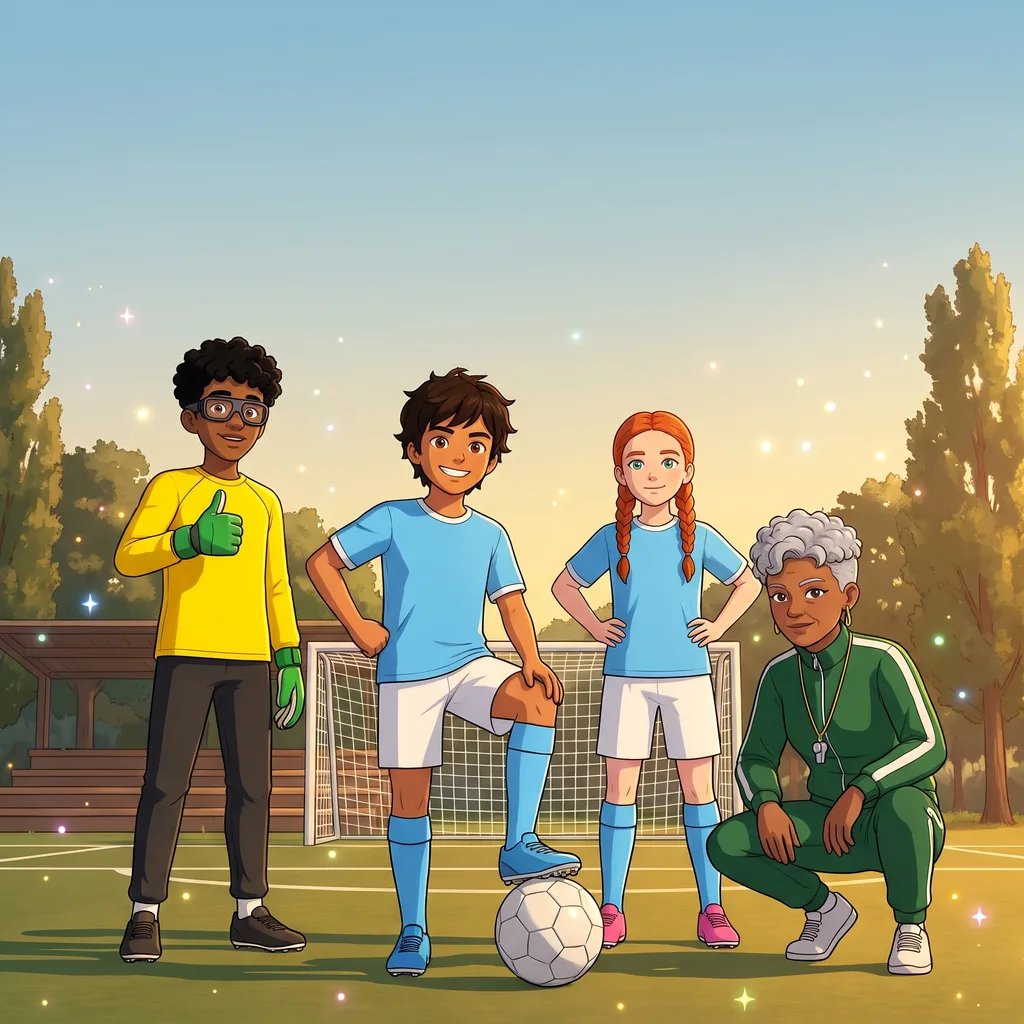
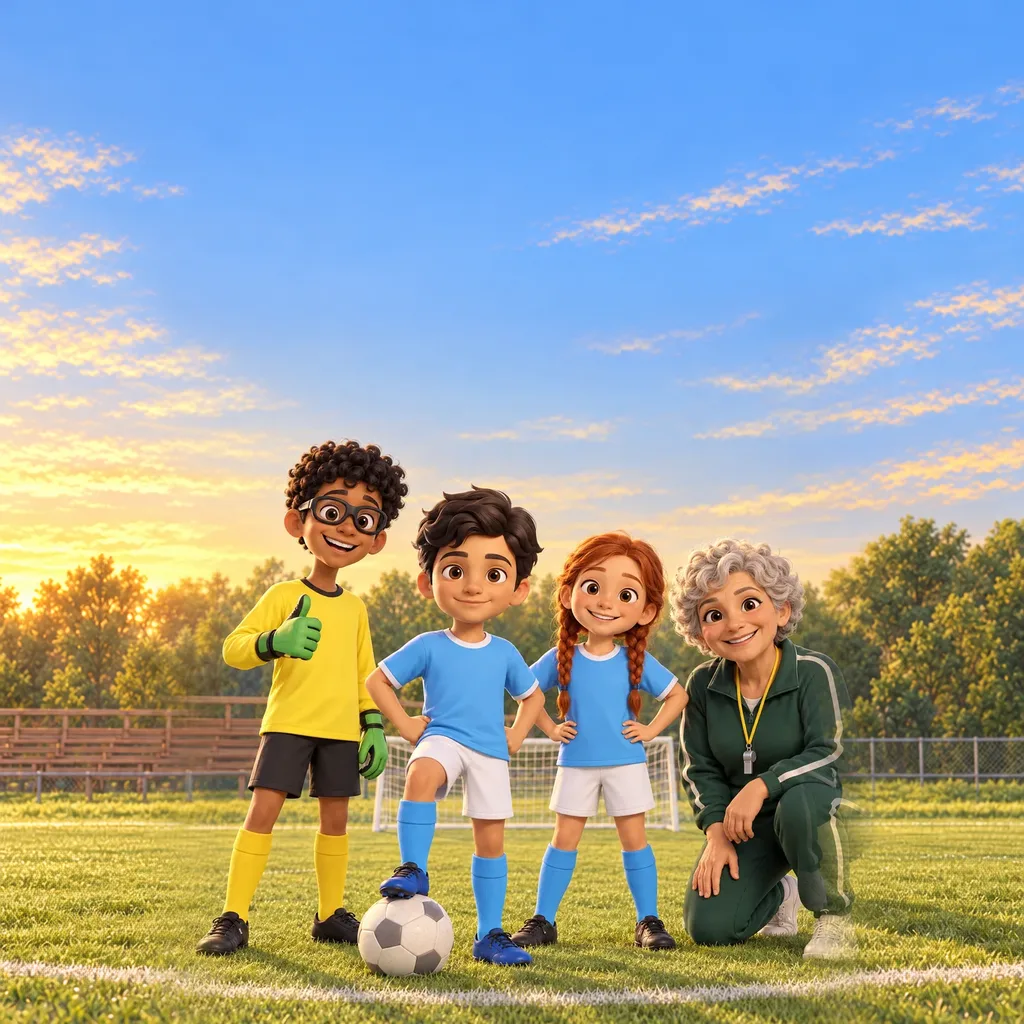
Four days before the Valley Cup final, Mia hit a pass so hard that it bounced off Sami's knee and landed in the duck pond. Two ducks looked deeply offended. Everyone groaned. Coach Nell blew her whistle. "Right. I once scored an own goal in a cup game." She waited. "With my nose." The Kites fell about laughing. "So when it goes wrong, three things. Breathe. Look up and find your team. Then say it: next ball." They practised until it felt silly, and then until it felt normal. Sami breathed so slowly that he nearly fell asleep standing up. The ducks kept the ball for another ten minutes.
Who can be a hero
Your child, and more heroes if you like
Your child is the first hero, and up to 3 more: brother or sister, mum or dad, grandparent, another grown-up.
Your child's team reaches the final; what matters is how they play after a mistake.
- Hardcover: €47.90
- Softcover: €37.90
+ €6.90 shipping · free from 2 books
Personalise this book
Styles
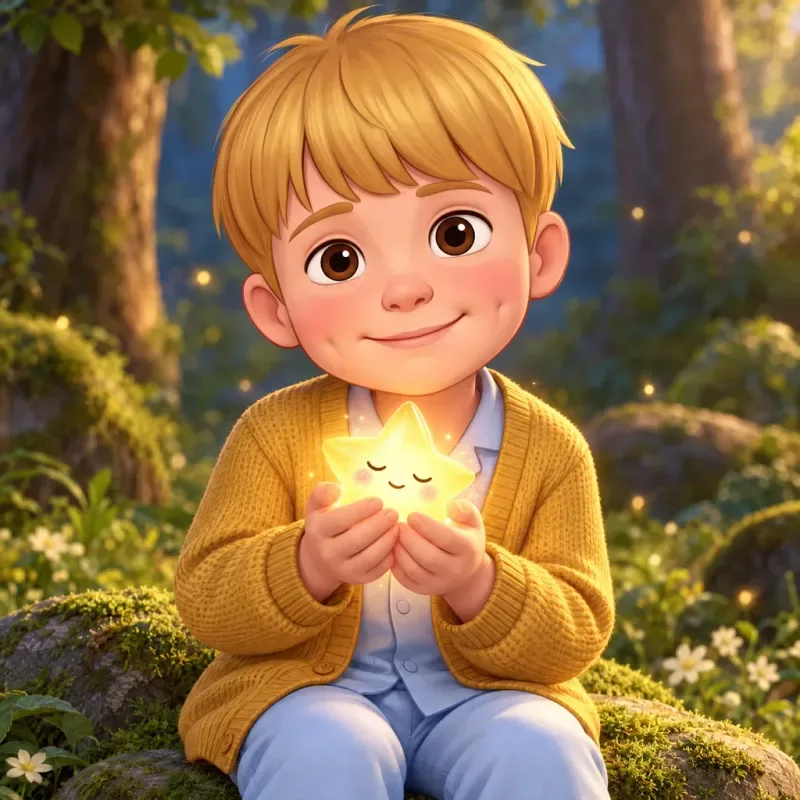
Soft 3D
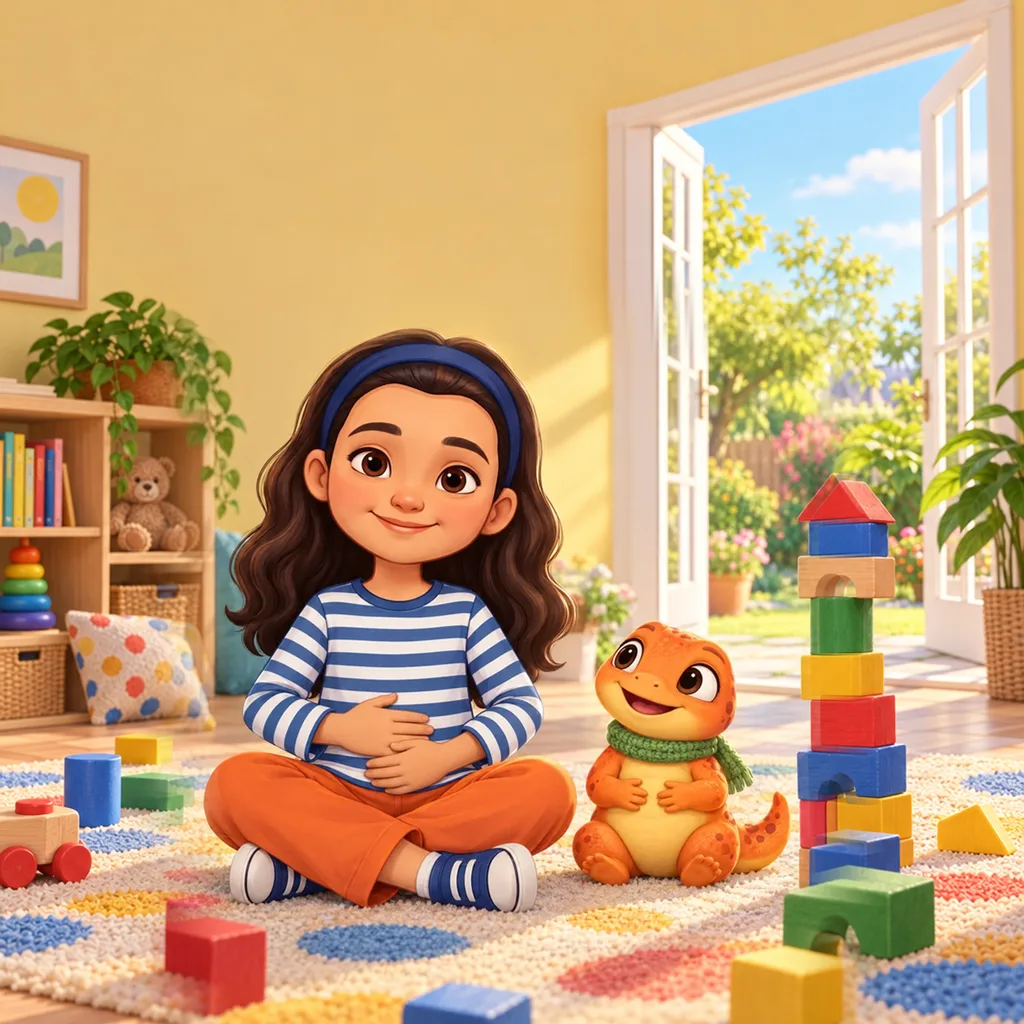
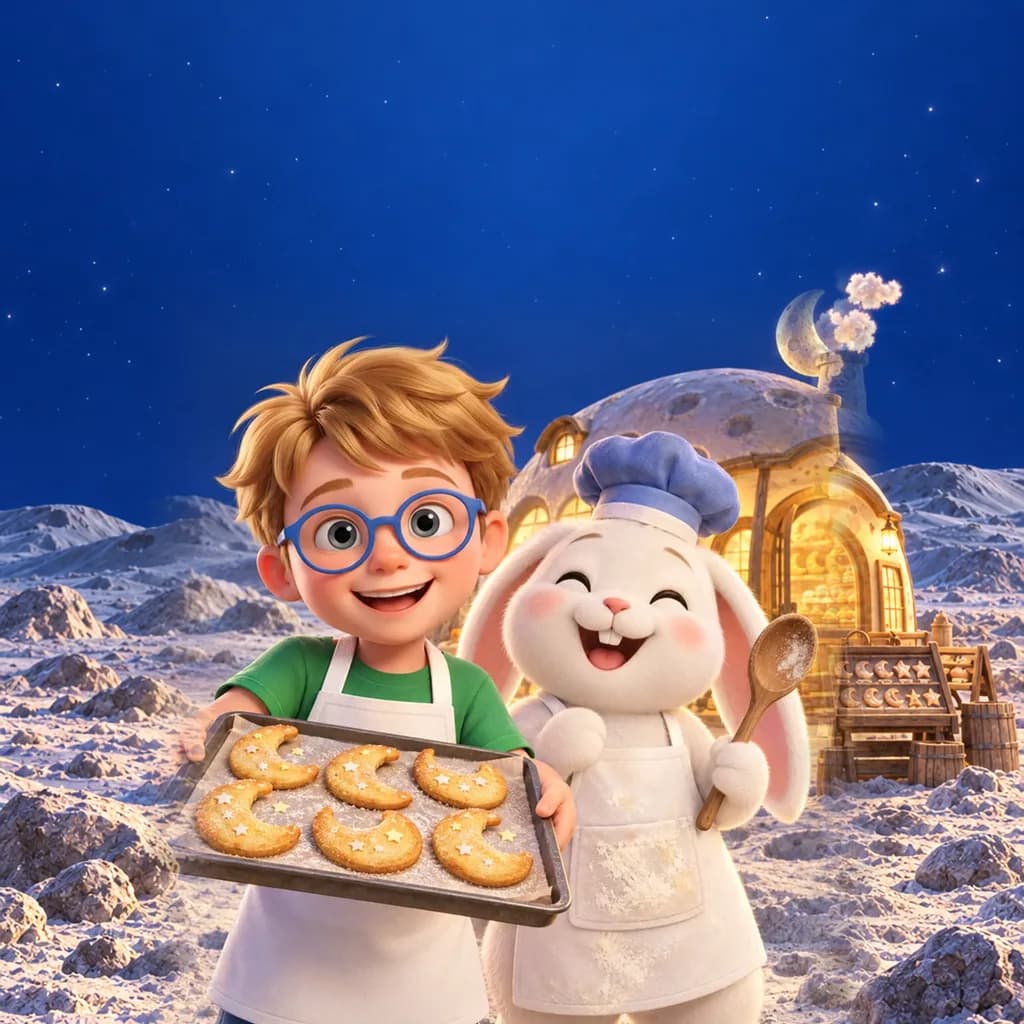
AvailableRounded, softly lit 3D characters with big expressive eyes. Faces stay recognisable: hair, glasses, smile.
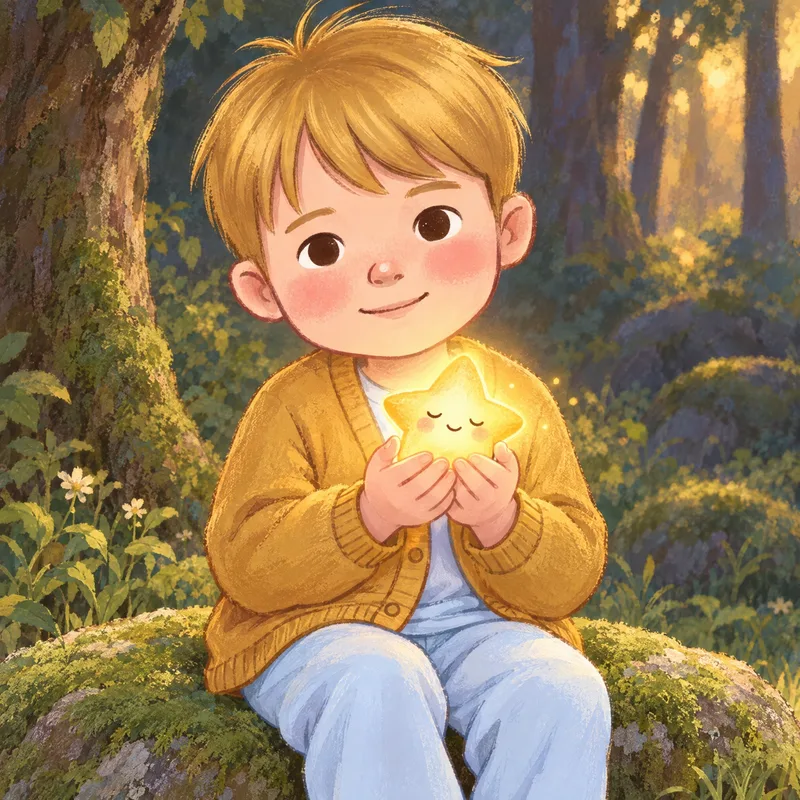
Storybook gouache
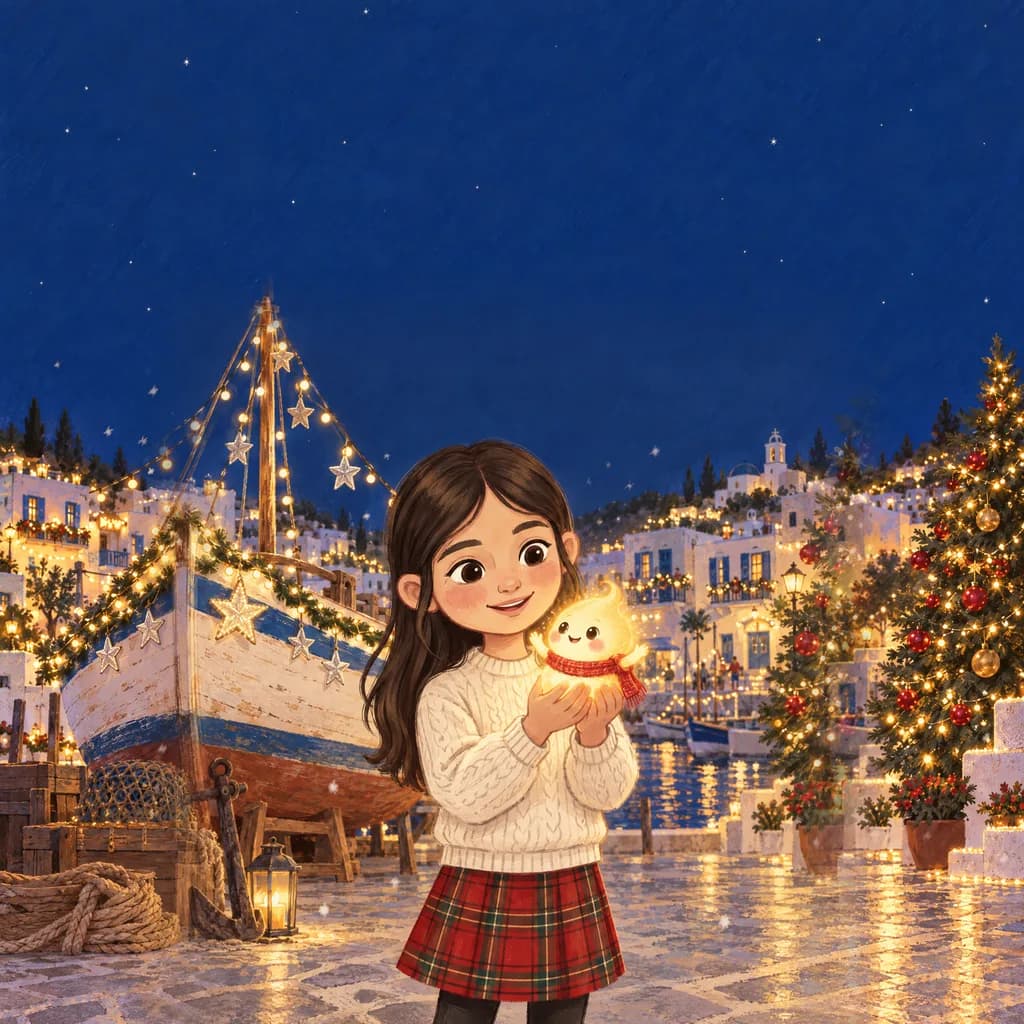
AvailableMatte, hand-painted colours with visible brush texture and soft edges, like a classic picture book.
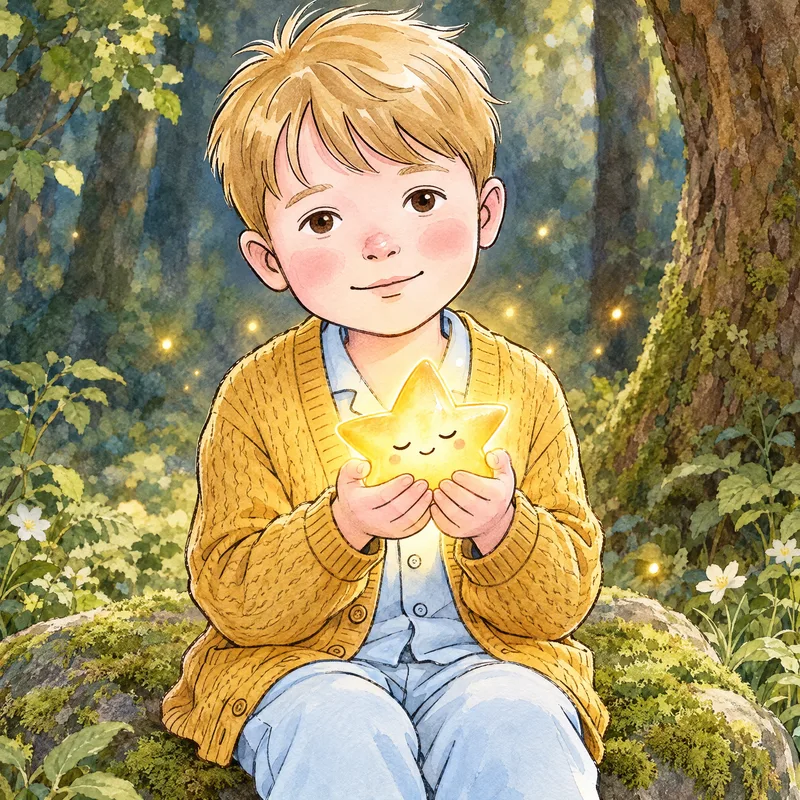
Watercolour
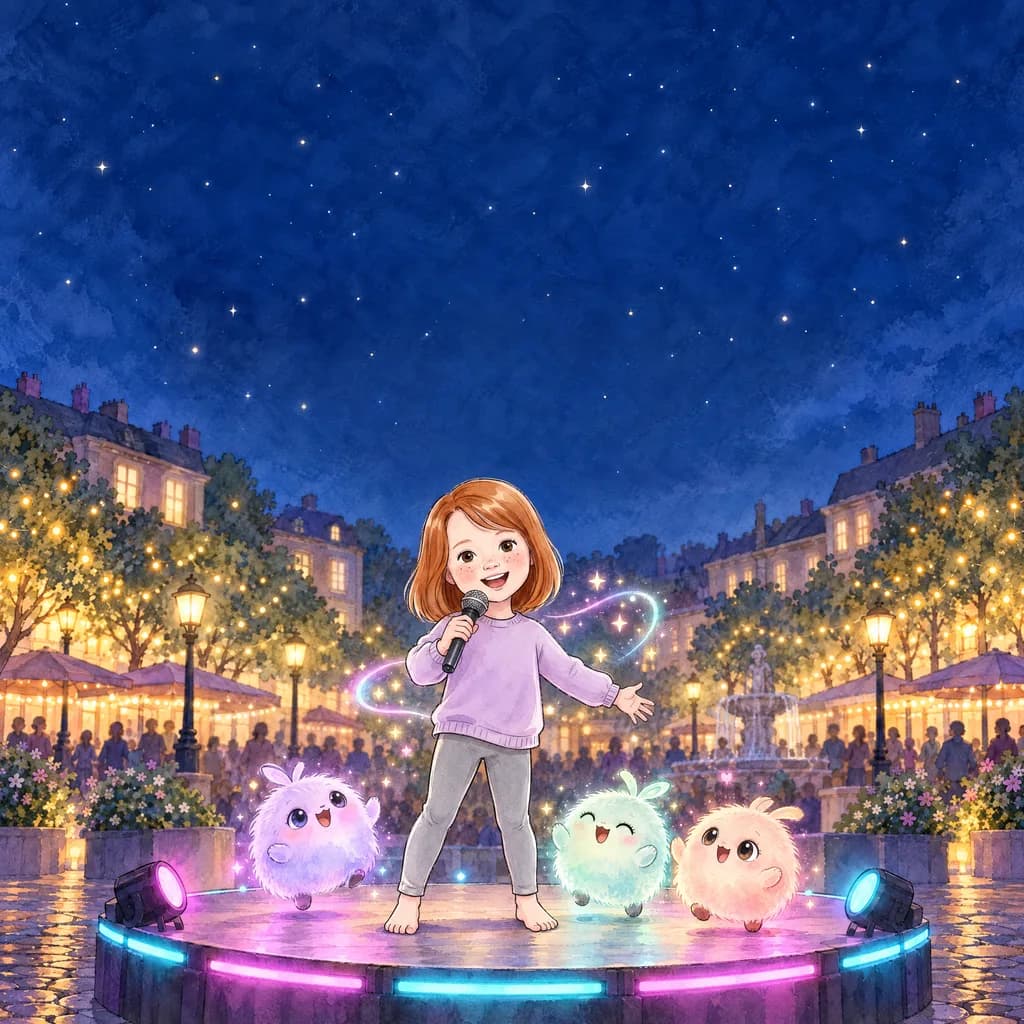
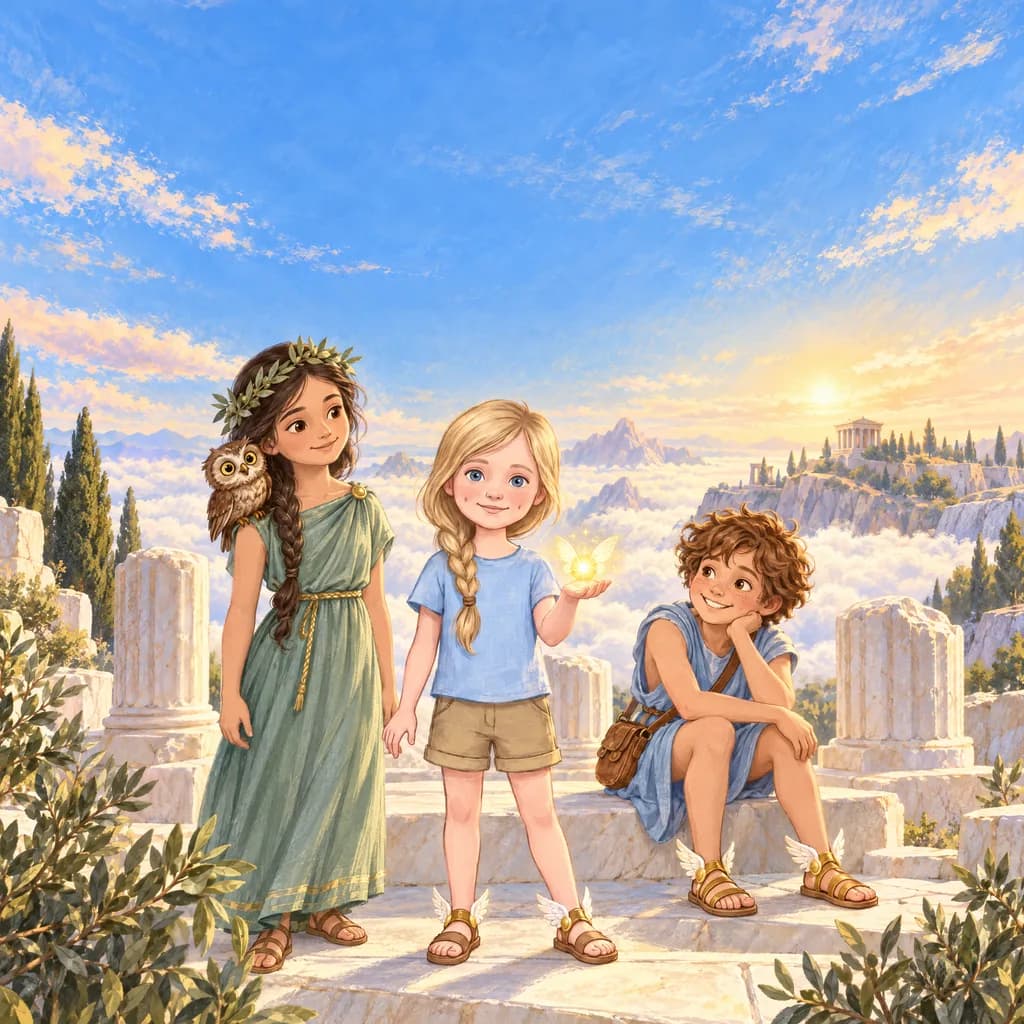
AvailableLoose, soft washes of colour with fine ink lines and the texture of real paper.
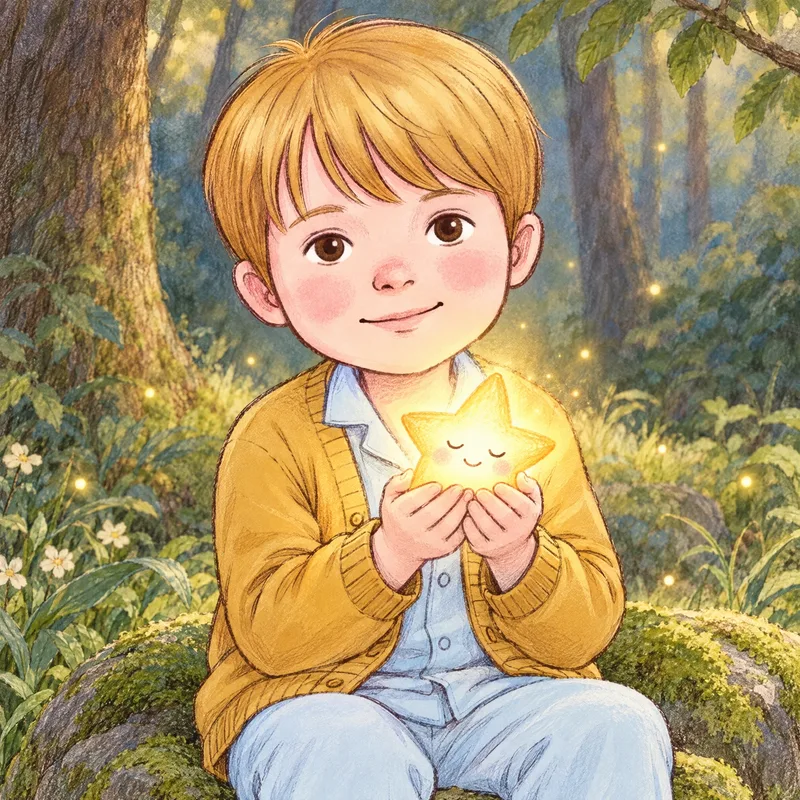
Pencil and watercolour
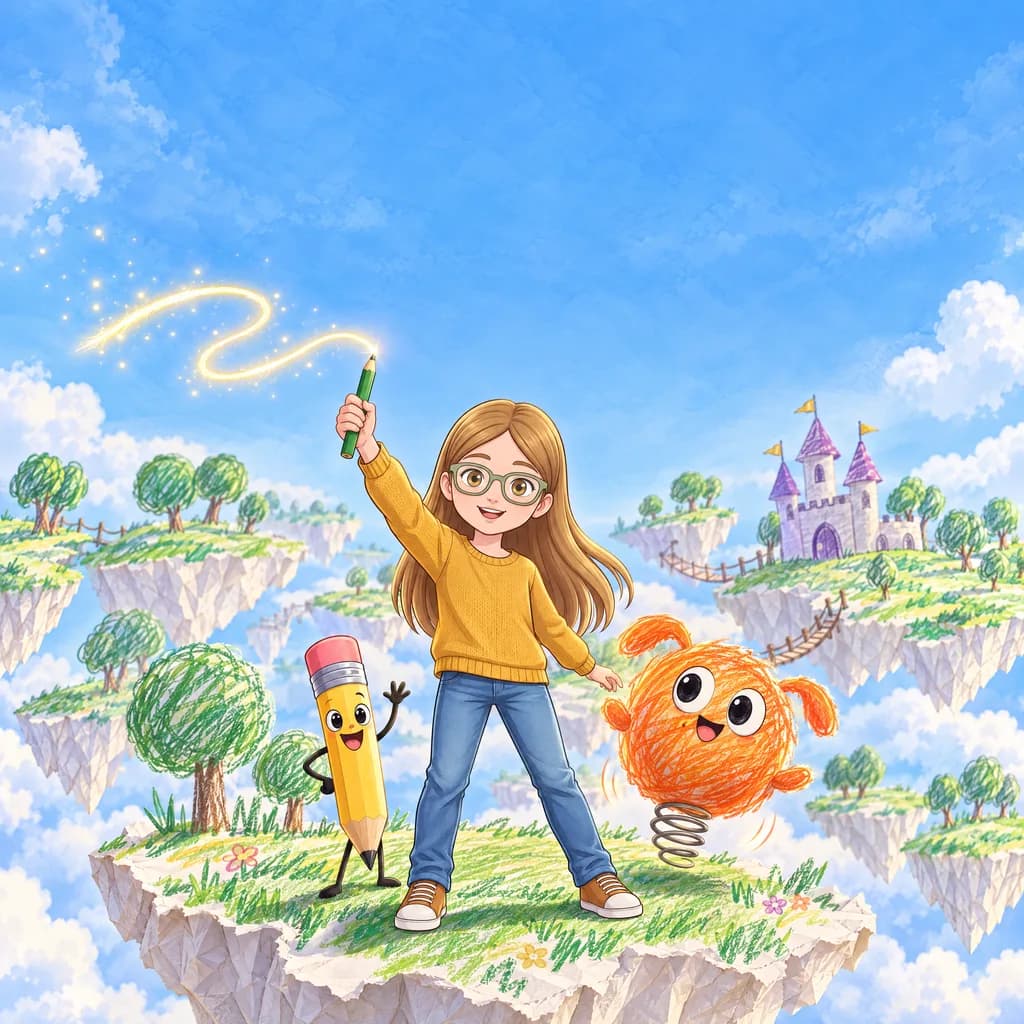
AvailableColoured pencil over light watercolour washes, warm and drawn by hand.
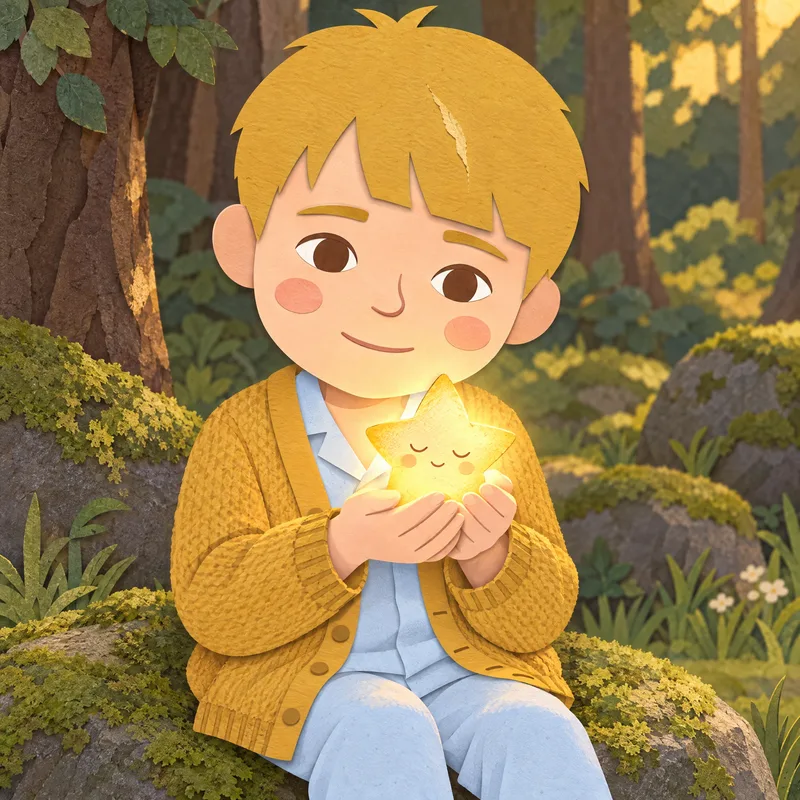
Paper collage
AvailableLayers of cut and torn coloured paper, with grain and edges you can almost touch.
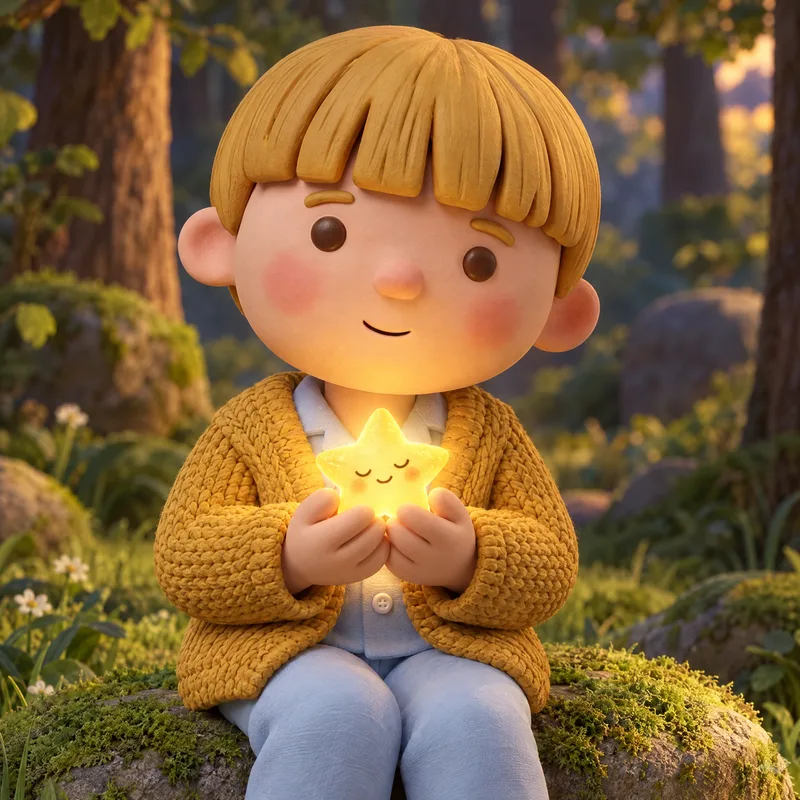
Clay
AvailableSculpted from soft modelling clay, like a handmade stop-motion film.
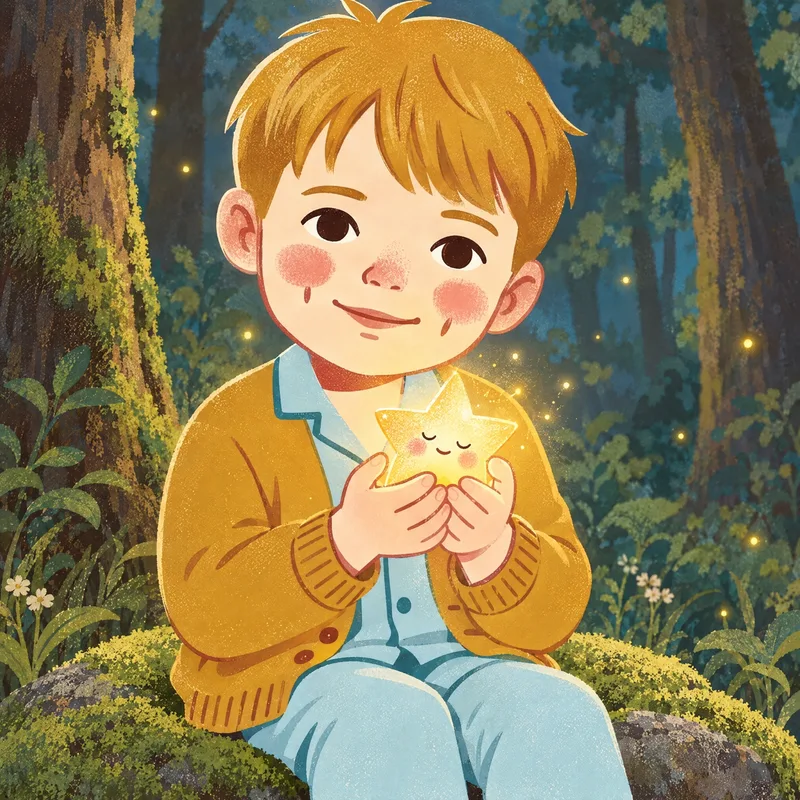
Vintage storybook
AvailableThe look of mid-century picture books: flat shapes, muted colours, a soft printed grain.
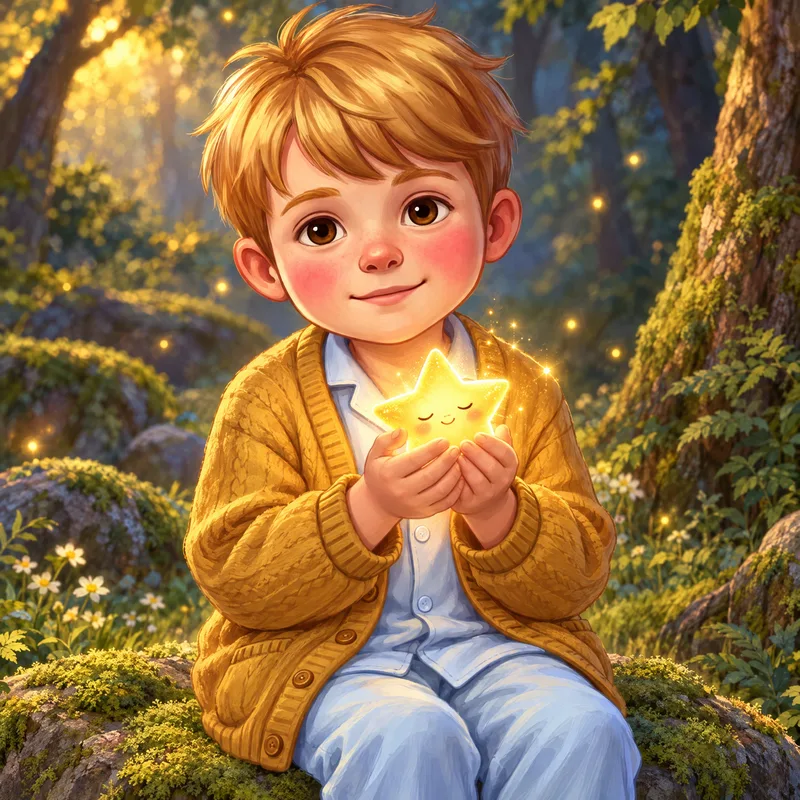
Fantasy painting
AvailableRich, painterly fantasy scenes full of glowing light.
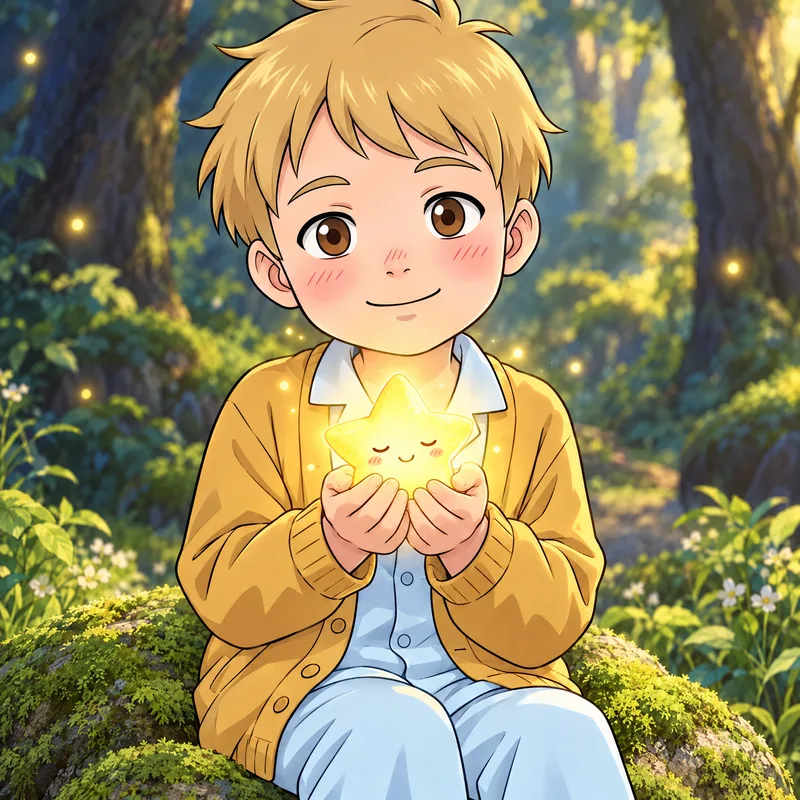
Anime-inspired
AvailableClean line art, cel shading and large, expressive eyes.
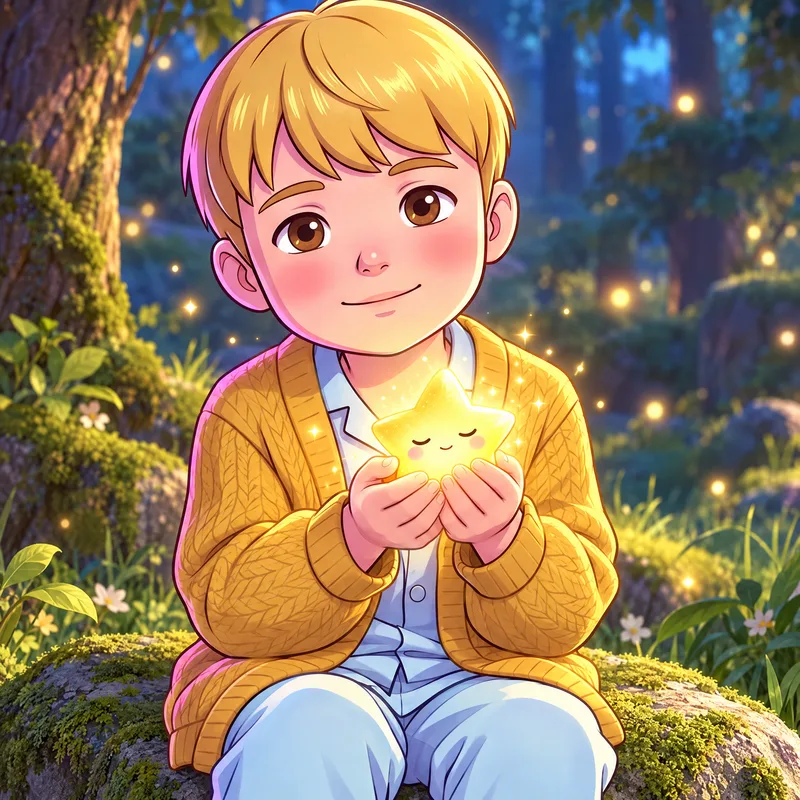
Pop anime 3D
AvailableCel-shaded 3D with big sparkling eyes and bright, glowing colours.
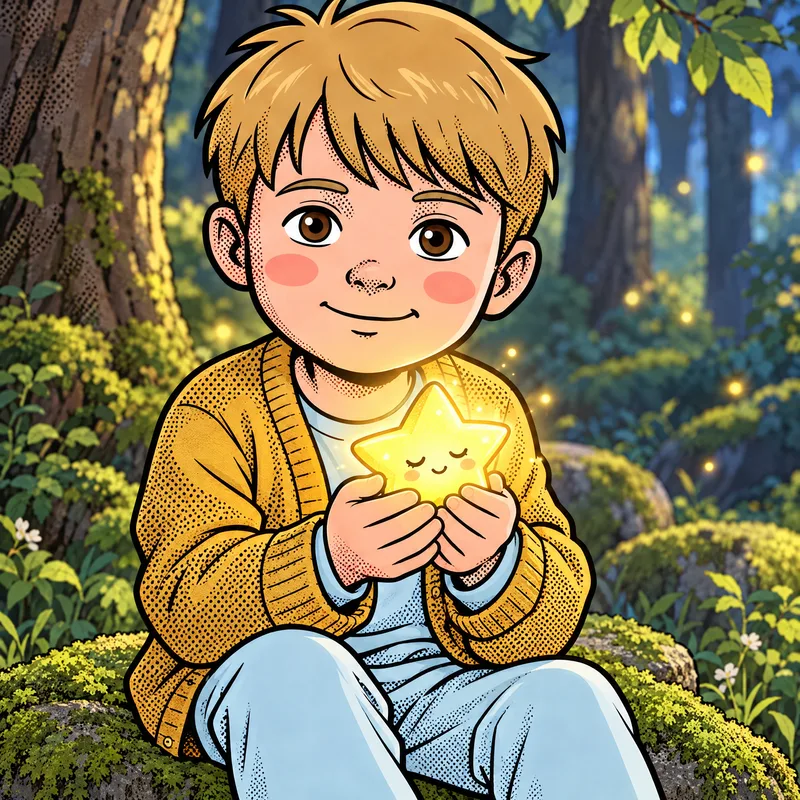
Bold comic
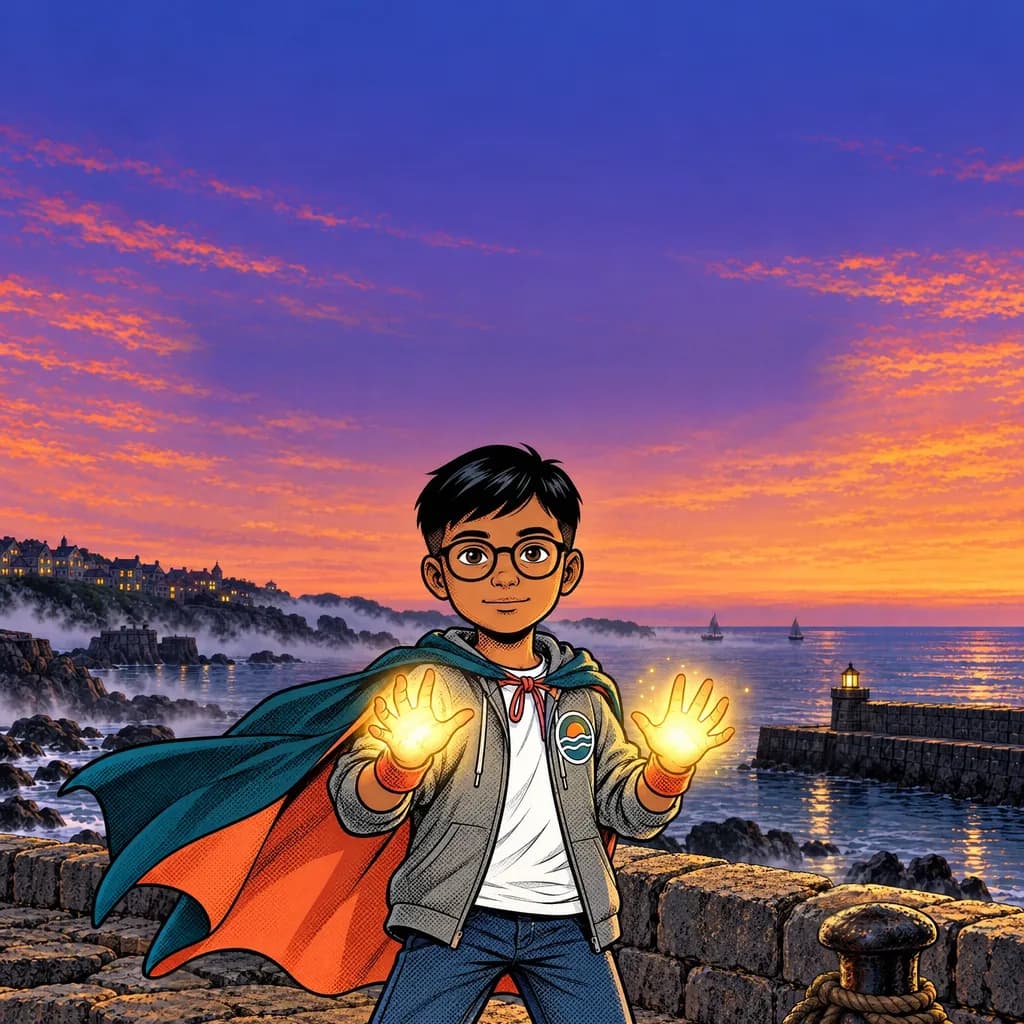
AvailableThick ink lines, flat bright colours, halftone dots and dynamic angles.
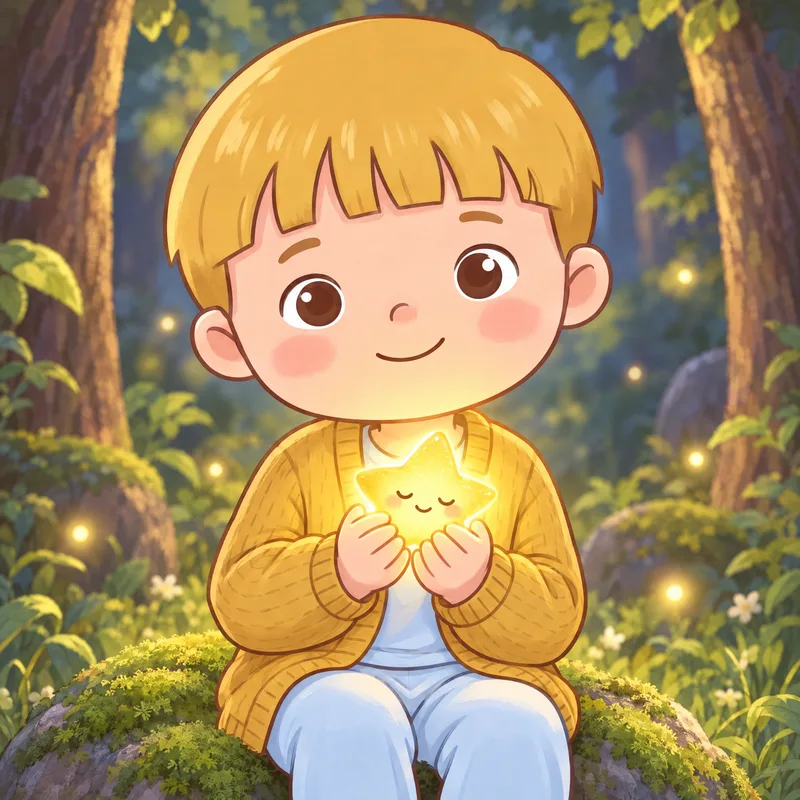
Cute chibi
AvailableTiny bodies, big heads and soft pastel colours.
Formats and prices
Prices include VAT.
+ €6.90 shipping · free from 2 books