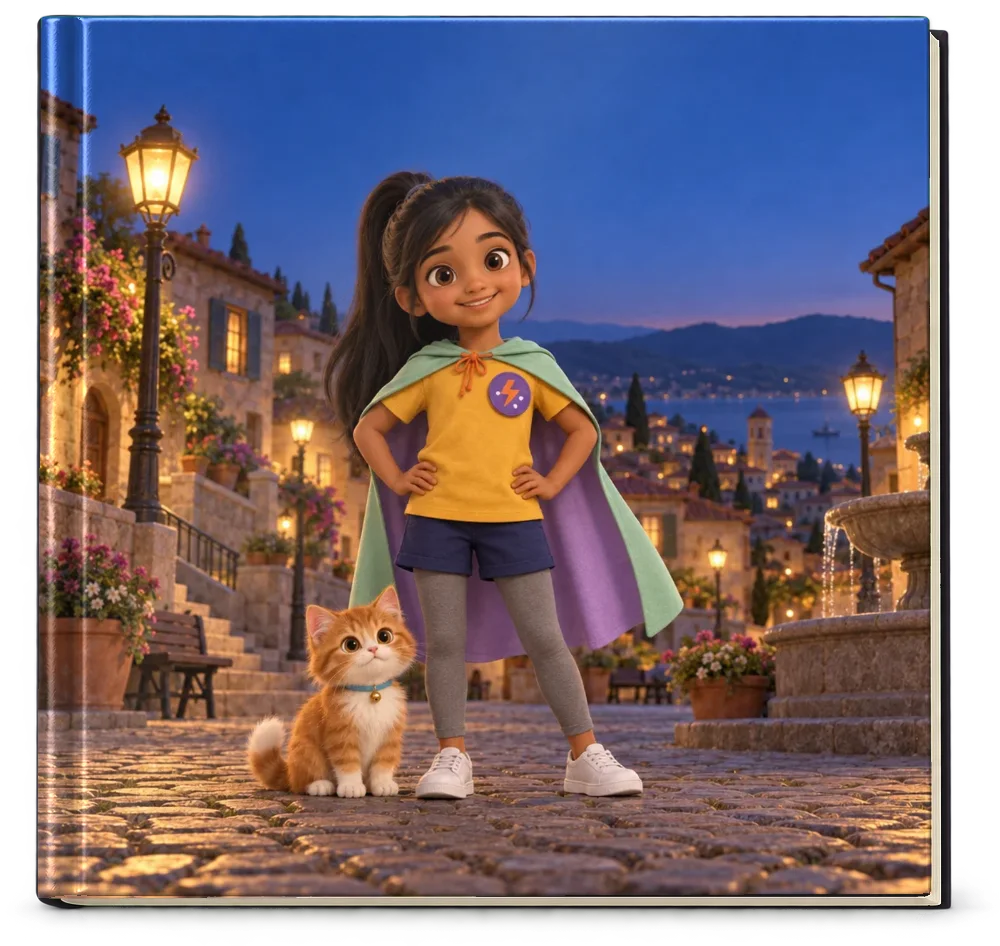
Watch the title change here and on every book on the site. It stays in this browser tab only.
Captain Spark
Your child wakes up with a power: every jump lights up the city. Then a blackout stops the trains and a kitten is stuck on a roof. A cape, a lightning-bolt emblem and the right moment.
This story is still being written. Leave your email and we will write once, when it is ready.
Tell me when it's ready


Helps with
Big feelings
Big feelings and self-control: holding on to a big burst of energy and using it at the right moment.
The tool your child practises in the story
Tick, tock... now!
Stand still and put one hand flat where the badge would be. Breathe in slowly while saying "tick", breathe out slowly while saying "tock". Do it three times: the feeling is still there, but now it is held, not spilling over. Then ask: "Is it the right moment?" If yes, "Now!" and go. If not, another tick, tock. Practise it at calm times (before a race in the garden, before blowing out candles) so it is ready when feelings are big.
For grown-ups
What this story is about
Young children feel things in big bursts: excitement, frustration, the itch to do it NOW. In this story, your child wakes up with a power that lights up the whole city, and uses it all day, just for fun. When a blackout strands a train and a kitten, the spark has fizzled out, and hopping faster and harder only makes it smaller. What works is the clock keeper's trick: stand still, breathe in on "tick", out on "tock", and wait for the right moment. The story shows that holding a big feeling for a moment is not losing it: it is how it grows strong enough to help.
Three ways to talk about it
- Play "Tick, tock... now!" as a game: your child crouches, breathes in on tick and out on tock, and jumps only when you say now. Make the waiting a little longer each time.
- When excitement or frustration spills over, name it first ("You're full of fizz right now"), then do the tick, tock together, instead of saying "calm down".
- Notice the waiting itself: "You held your spark until it was your turn. That was hard, and you did it."
Three questions to ask
- Why was nobody pleased when the lamps came on in the middle of the day?
- What happened when Captain Spark hopped faster and harder in the dark? What worked instead?
- When is it hard for you to wait? What could your "tick, tock" be?
Practise the tool together: Tick, tock... now!
Stand still and put one hand flat where the badge would be. Breathe in slowly while saying "tick", breathe out slowly while saying "tock". Do it three times: the feeling is still there, but now it is held, not spilling over. Then ask: "Is it the right moment?" If yes, "Now!" and go. If not, another tick, tock. Practise it at calm times (before a race in the garden, before blowing out candles) so it is ready when feelings are big.
If your child's bursts of excitement, anger or frustration are very frequent or very intense, last a long time, or keep getting in the way of play, nursery or school, it is worth talking to your paediatrician or a child psychologist.
The styles it will be drawn in
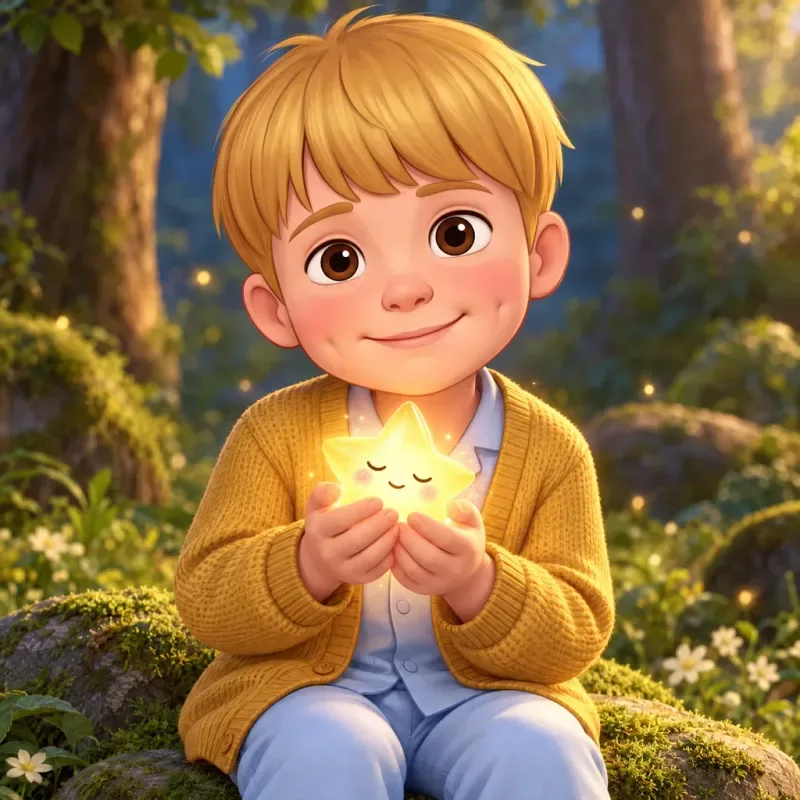
Soft 3D
AvailableRounded, softly lit 3D characters with big expressive eyes. Faces stay recognisable: hair, glasses, smile.
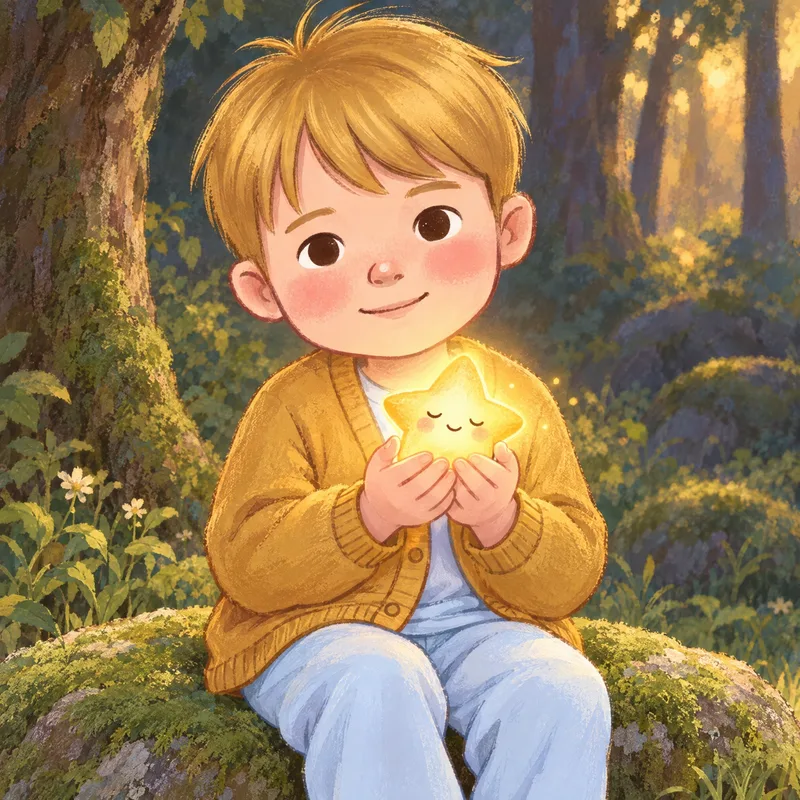
Storybook gouache
AvailableMatte, hand-painted colours with visible brush texture and soft edges, like a classic picture book.
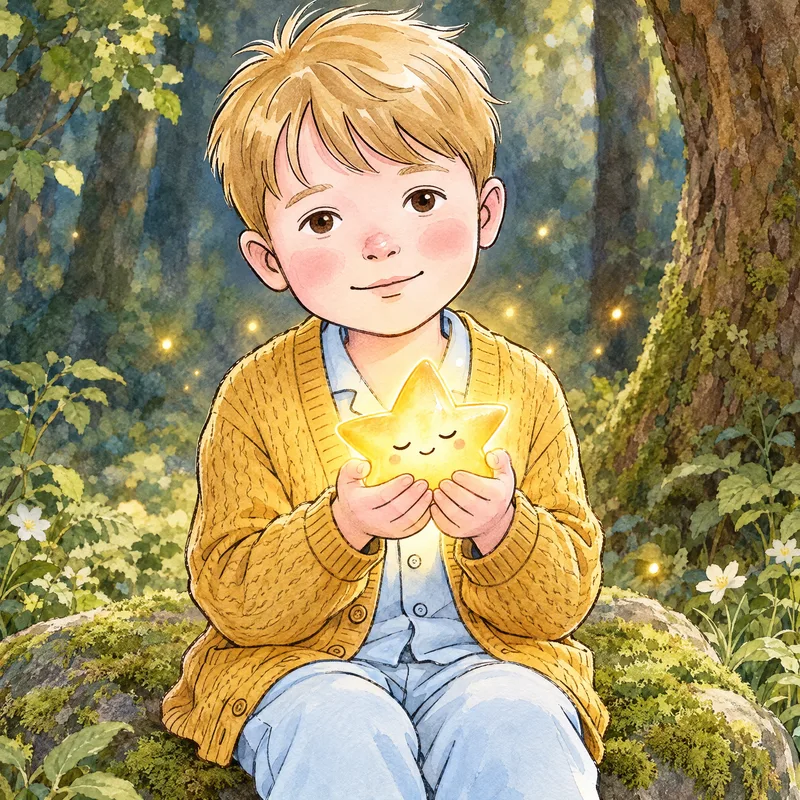
Watercolour
AvailableLoose, soft washes of colour with fine ink lines and the texture of real paper.
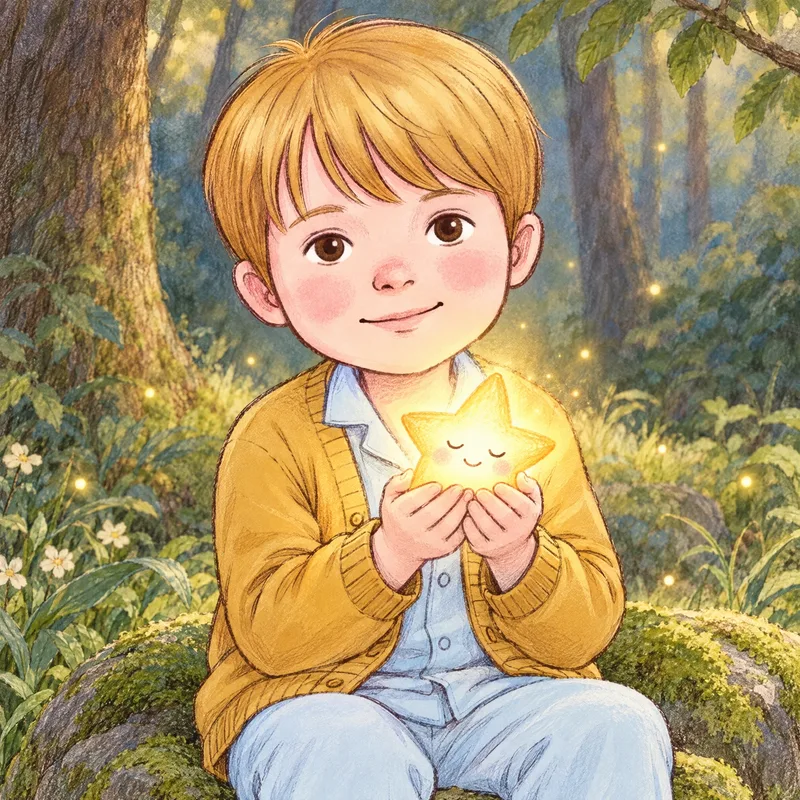
Pencil and watercolour
AvailableColoured pencil over light watercolour washes, warm and drawn by hand.
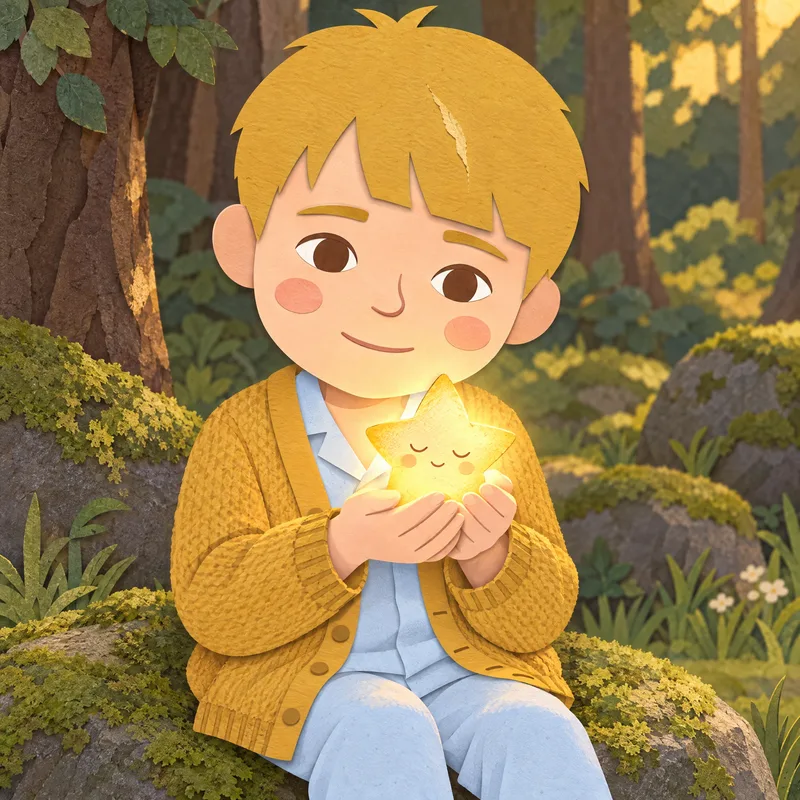
Paper collage
AvailableLayers of cut and torn coloured paper, with grain and edges you can almost touch.
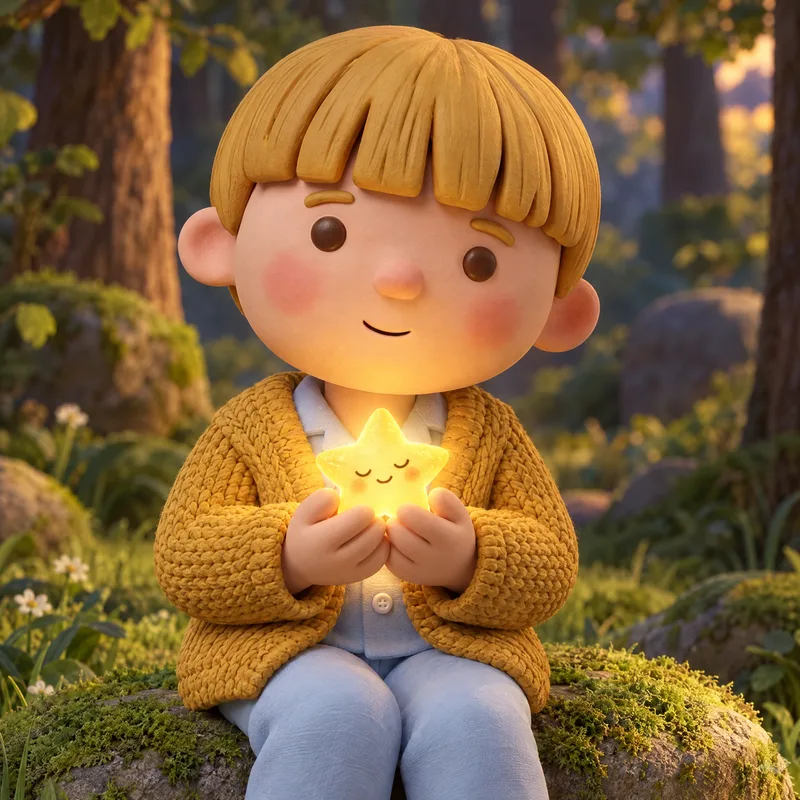
Clay
AvailableSculpted from soft modelling clay, like a handmade stop-motion film.
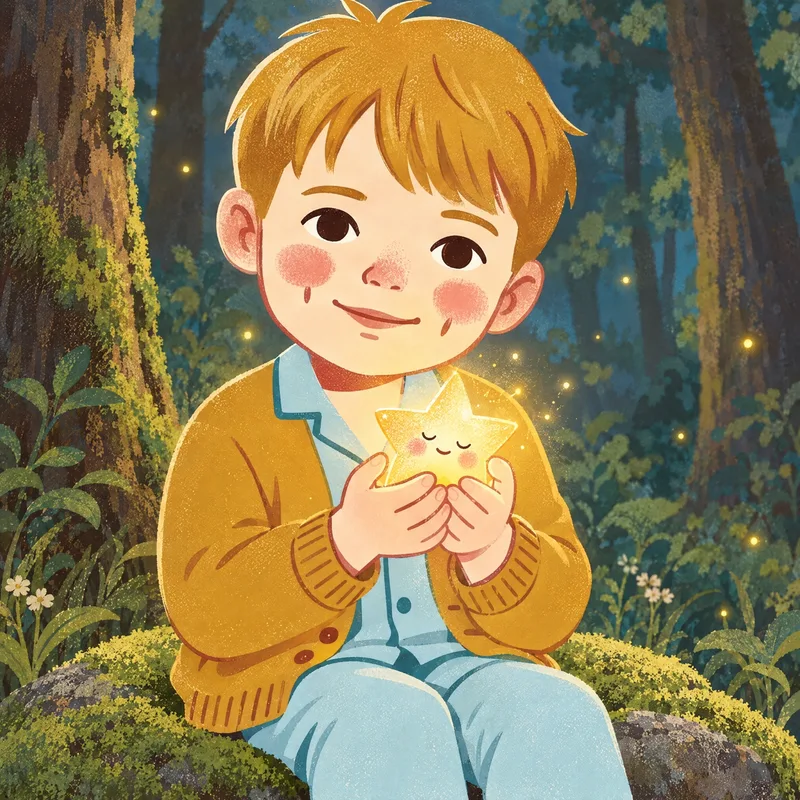
Vintage storybook
AvailableThe look of mid-century picture books: flat shapes, muted colours, a soft printed grain.
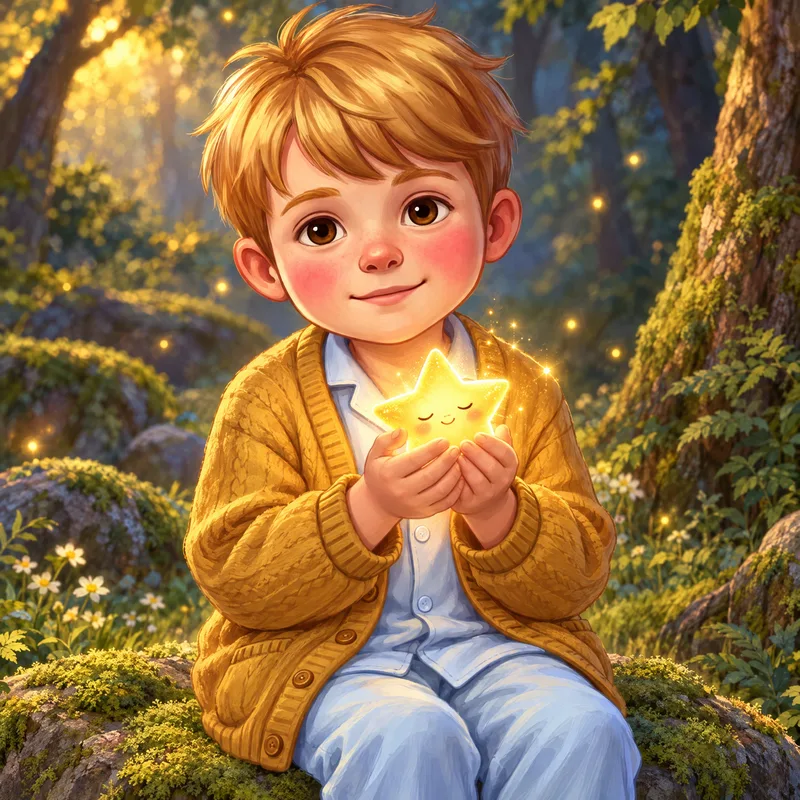
Fantasy painting
AvailableRich, painterly fantasy scenes full of glowing light.
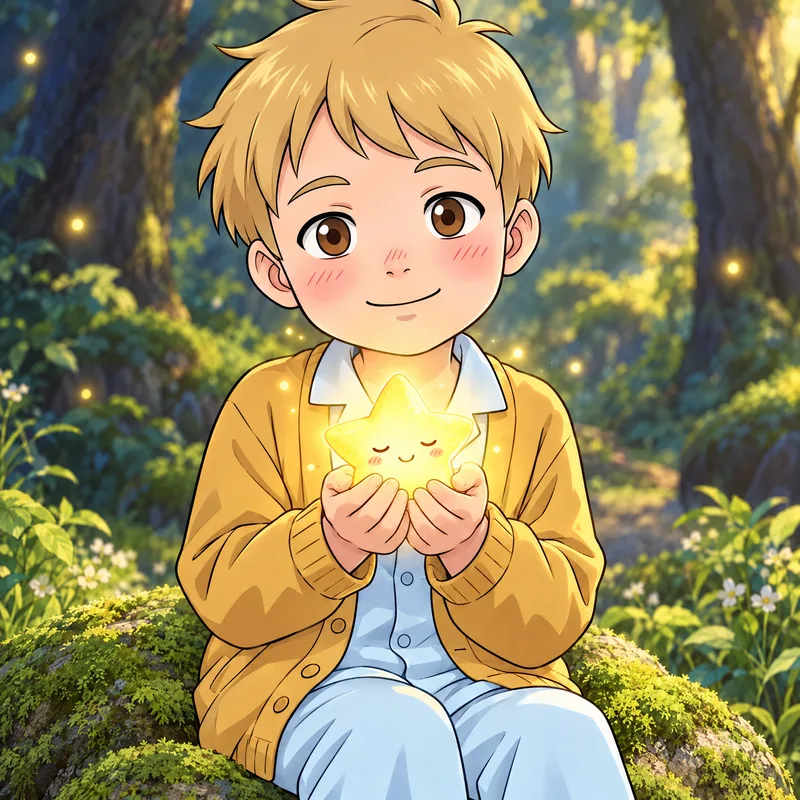
Anime-inspired
AvailableClean line art, cel shading and large, expressive eyes.
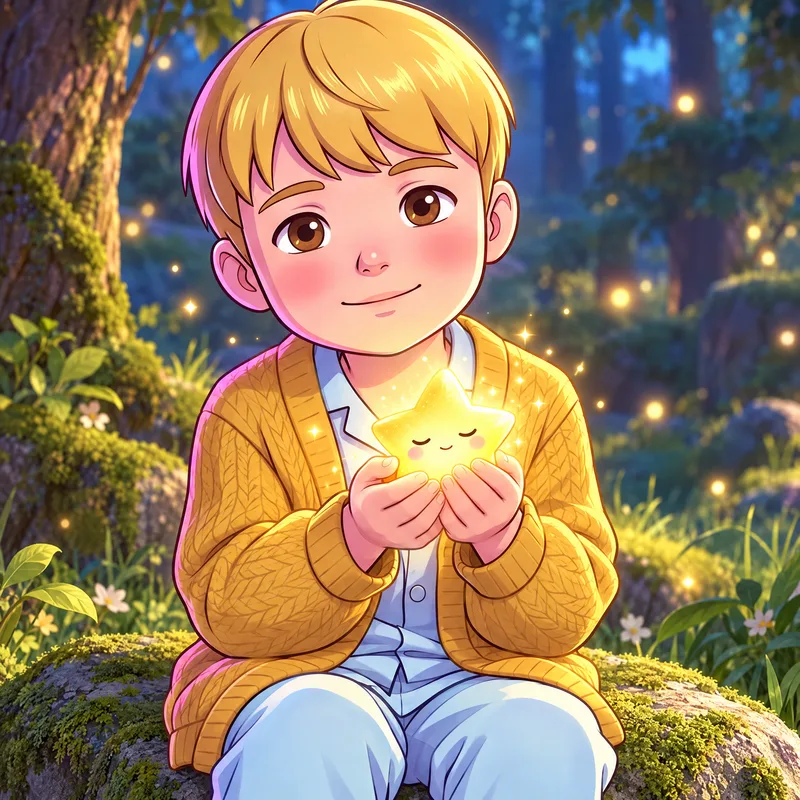
Pop anime 3D
AvailableCel-shaded 3D with big sparkling eyes and bright, glowing colours.
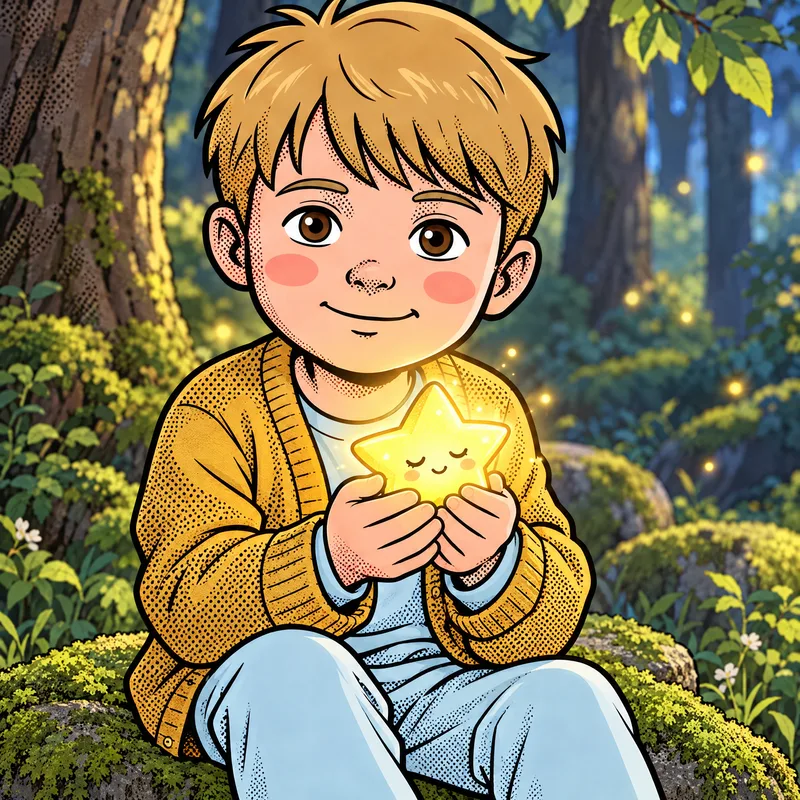
Bold comic
AvailableThick ink lines, flat bright colours, halftone dots and dynamic angles.
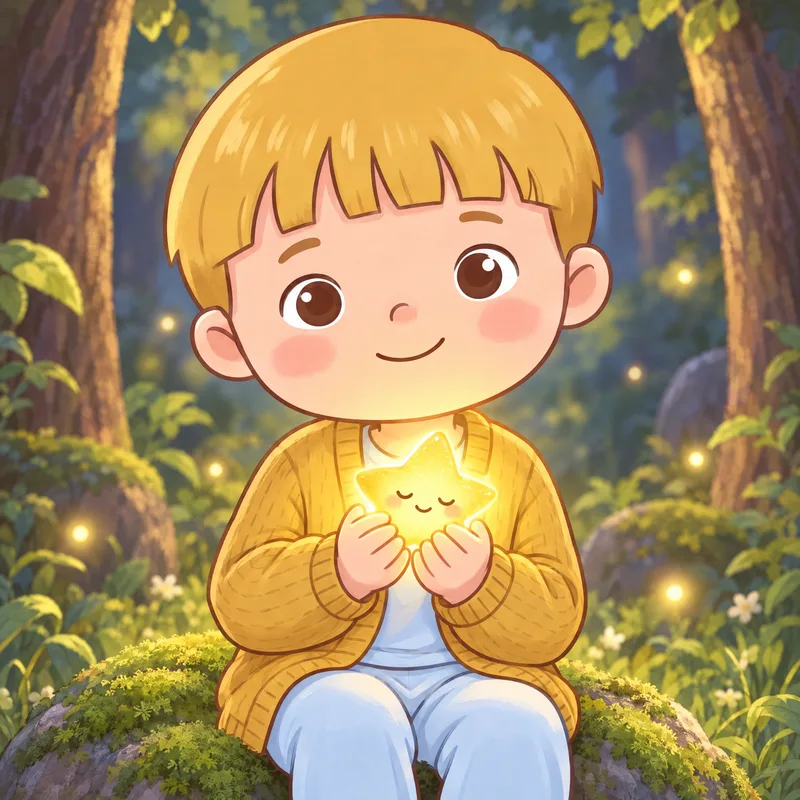
Cute chibi
AvailableTiny bodies, big heads and soft pastel colours.